
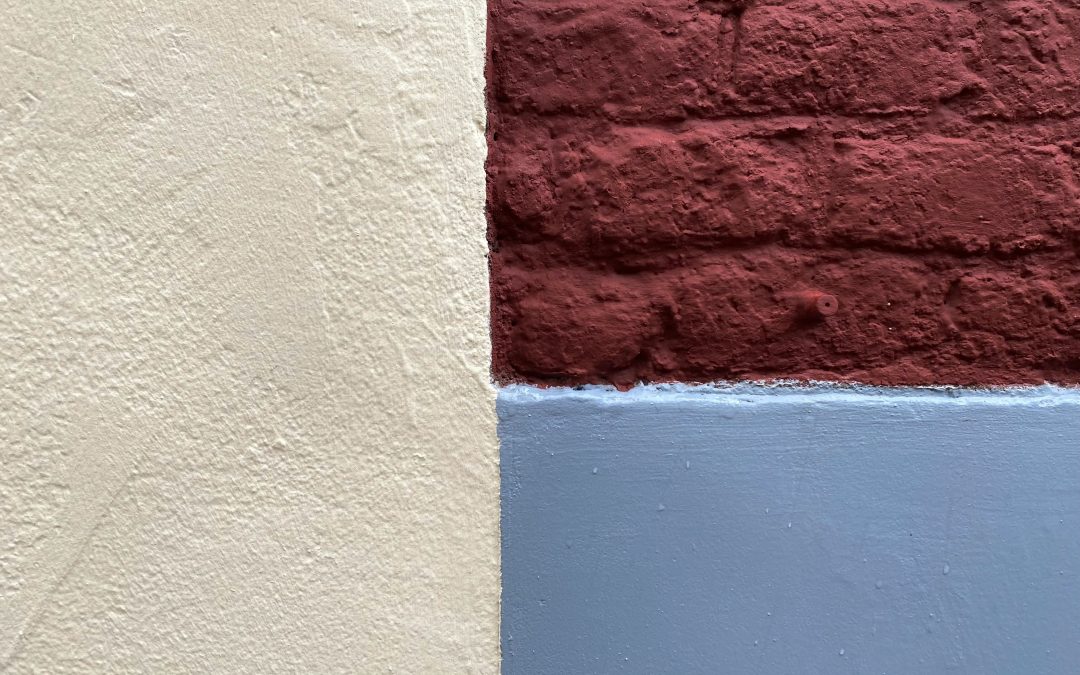
Choosing the right paint color for an outside wall can completely transform the look of your home. The exterior color sets the tone for your property, influences curb appeal, and even affects how your house feels in terms of size and style. With so many options available, it can be overwhelming to decide which paint color is best for an outside wall, but a few guidelines can make the process easier.
According to Sherwin-Williams, lighter exterior colors can reflect sunlight, helping reduce heat absorption, while darker shades can give a home a cozy, dramatic look. Understanding how color interacts with your home’s architecture and surroundings is key to making a smart choice.
Consider Your Home’s Style
Your home’s architectural style should influence your exterior paint color. For example, a classic colonial home may look best with muted, timeless colors like beige, cream, or soft gray. Modern homes can handle bolder, contrasting shades such as charcoal, navy, or even black accents. Victorian or cottage-style homes often look charming with pastels or soft, warm colors. Choosing a color that complements the style ensures that your house looks cohesive and attractive.
Think About the Environment
The surrounding environment plays a big role in selecting the best paint color for an outside wall. Consider the following:
- Neighborhood Harmony: You may want colors that blend well with neighboring homes.
- Natural Surroundings: Earthy tones often work well with green landscapes, while coastal homes might favor blues, whites, and sandy hues.
- Sunlight and Shade: South-facing walls get more sunlight, which can fade paint faster, so lighter, more reflective colors are preferable. North-facing walls may appear darker, so warmer tones can help brighten the look.
Popular Exterior Paint Colors
Some paint colors consistently perform well on outside walls due to their versatility and aesthetic appeal. Popular choices include:
- Soft Grays: Modern, neutral, and pairs well with many trim colors.
- Whites and Off-Whites: Classic, timeless, and reflect heat effectively.
- Beige and Taupe: Warm and inviting, suitable for most home styles.
- Blues: Ranging from pale sky blue to deep navy, blues add calm and elegance.
- Greens: Earthy sage or deep forest greens complement natural landscapes.
Adding contrasting trim or accent colors can enhance the overall visual appeal, creating a polished and balanced exterior.
Tips for Choosing the Right Shade
When deciding which paint color is best for an outside wall, keep these tips in mind:
- Test Samples: Paint small sections of your wall with different shades and observe them at different times of the day.
- Consider Material: Wood, brick, stucco, and concrete surfaces can reflect color differently, so adjust your choice accordingly.
- Match Roof and Trim: Ensure your exterior color complements the roof, gutters, and window frames.
- Think Long-Term: Trendy colors may be tempting, but classic shades often increase long-term appeal and property value.
Finishes Matter Too
The finish of your exterior paint affects both appearance and durability. Common options include:
- Matte or Flat: Minimizes surface imperfections but can be harder to clean.
- Satin or Eggshell: Slightly glossy, easy to clean, and suitable for most homes.
- Semi-Gloss or Gloss: Reflective, durable, and ideal for trim or high-traffic areas.
Choosing the right finish ensures your outside wall looks great and withstands weather conditions.
Conclusion
Selecting which paint color is best for an outside wall is a combination of aesthetics, environment, and practicality. Lighter shades reflect sunlight, darker tones add drama, and the right hue can enhance your home’s architecture and surroundings. Test colors in small areas, consider finishes, and match the color to your roof, trim, and landscaping for the best results.
With thoughtful planning and attention to detail, you can choose a color that not only beautifies your home but also protects it and boosts curb appeal. A carefully selected exterior paint color ensures your house makes a lasting impression for years to come.