
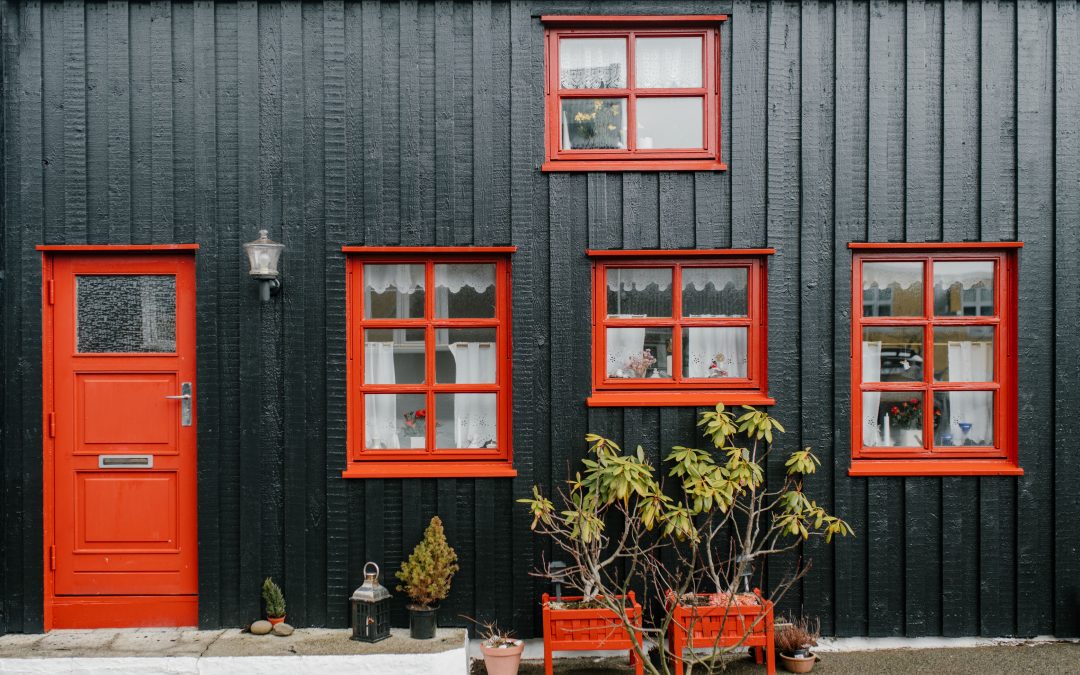
Introduction: Why Exterior Color Matters More Than You Think
The outside of your home is the first thing people notice. Before they see your furniture, your garden, or even your interior design, they see your exterior walls. That means your paint color is doing more work than you might realize. It sets the tone, reflects your personality, and even influences property value.
That is exactly why learning how to choose exterior paint colors is such an important step in any home improvement project. The right color can make a house feel modern, warm, elegant, or inviting, while the wrong one can make even a well-built home feel outdated or dull.
In this guide, we will break down simple, practical steps to help you choose colors with confidence and avoid costly mistakes.
Start by Understanding Your Home’s Architecture
Before looking at color swatches, take a step back and study your home’s design style.
Different architectural styles naturally suit different color palettes:
- Modern homes often look best with neutral tones like white, grey, or black
- Traditional homes pair well with warm, classic colors like beige or cream
- Mediterranean-style homes often use earthy tones like terracotta and sand
- Colonial homes usually work well with balanced, muted shades
This is one of the most important foundations of how to choose exterior paint colors because the architecture already gives you a natural direction.
Look at Your Fixed Elements First
You cannot choose paint colors in isolation. You need to consider everything that will not change.
These include:
- Roof color and material
- Brick or stonework
- Driveway and pathway materials
- Window frames and trims
- Landscaping elements
Your paint color should complement these fixed features, not clash with them.
For example, a warm brick exterior may not pair well with a cool blue tone, while a grey roof might look great with crisp white or charcoal shades.
Consider Lighting and Environment
Natural light changes how paint colors look throughout the day.
A color that looks perfect in the store might appear completely different outside your home.
Things to consider:
- Homes in bright sunlight often look better with slightly muted tones
- Shaded homes may need lighter colors to avoid looking too dark
- Surrounding trees and buildings can affect how colors appear
According to the American Society of Interior Designers, lighting is one of the most overlooked factors in color selection, yet it significantly impacts how we perceive shade and tone.
This is a key part of how to choose exterior paint colors that many homeowners ignore at first.
Use the 60-30-10 Rule for Balance
A simple design principle used by professionals is the 60-30-10 rule.
It works like this:
- 60 percent main body color
- 30 percent secondary color (trim or accents)
- 10 percent bold accent color (door or features)
This creates balance and prevents your home from looking too busy or overwhelming.
For example:
- Light grey walls (60 percent)
- White trim (30 percent)
- Navy blue door (10 percent)
This structure is a helpful guide when learning how to choose exterior paint colors in a balanced and visually appealing way.
Test Colors Before You Commit
Never rely only on small paint chips.
Always test colors on your actual exterior walls.
Here is how:
- Buy sample paints in your shortlisted shades
- Paint large swatches on different sides of the house
- Observe them in morning, afternoon, and evening light
- Compare how they look next to roof and trim
This step helps you avoid expensive mistakes and ensures you are confident in your final choice.
Pay Attention to Neighborhood Style
Your home should stand out, but not clash with its surroundings.
Take a walk around your neighborhood and observe:
- Common color trends
- What looks modern vs outdated
- Homes that catch your attention in a positive way
While you should express your personal style, choosing a completely mismatched color can affect curb appeal.
This balance is an important part of how to choose exterior paint colors that feel both unique and harmonious.
Think About Long-Term Appeal
Trendy colors may look appealing today, but exterior paint is not something you change often.
Ask yourself:
- Will I still like this color in 5 to 10 years
- Does it feel too bold or too specific to a trend
- Will it age well with my home’s design
Neutral and earthy tones often have longer visual lifespans compared to very bold or unconventional shades.
Popular Exterior Color Combinations
If you are unsure where to start, here are some proven combinations:
- White walls with black trim for a modern look
- Beige with brown accents for a warm traditional style
- Light grey with white trim for a clean contemporary feel
- Soft blue with white accents for a coastal vibe
These combinations work because they are balanced, timeless, and visually appealing.
Common Mistakes to Avoid
Many homeowners make avoidable mistakes when selecting exterior colors.
Avoid:
- Choosing colors under artificial lighting only
- Ignoring roof and stone colors
- Using too many bold shades at once
- Skipping sample testing on walls
- Following trends without considering longevity
Avoiding these mistakes is just as important as knowing how to choose exterior paint colors in the first place.
Real Example: Why Testing Makes a Difference
Imagine two homeowners selecting a light beige color.
- Homeowner A chooses directly from a catalog without testing
- Homeowner B tests the color on exterior walls in different lighting
After painting:
- Homeowner A realizes the color looks too yellow in sunlight
- Homeowner B is satisfied because adjustments were made before final painting
This shows how small preparation steps can significantly impact the final result.
Conclusion: Choose Colors with Confidence, Not Guesswork
Learning how to choose exterior paint colors is not just about picking something that looks nice in a brochure. It is about understanding your home’s structure, lighting, surroundings, and long-term style.
When you take the time to test, compare, and plan, you end up with a home exterior that feels balanced, attractive, and timeless.
A well-chosen color scheme does more than improve appearance. It increases curb appeal and makes your home feel truly complete