
So you’re staring at your walls, doors, or furniture, ready to give them a fresh coat of paint — but then the question hits you. Should I strip old paint before repainting, or can I just paint over what’s already there?
It’s one of the most common questions among DIYers and even pros. And the truth is, the answer depends on a few key factors: the surface condition, the number of old layers, and the type of paint used.
Let’s walk through when you need to strip old paint, when you don’t, and how to make repainting easier and more effective either way.
When You Should Strip Old Paint Before Repainting
Stripping old paint isn’t always necessary, but in some cases, it’s the smartest move. Here’s when it’s worth doing:
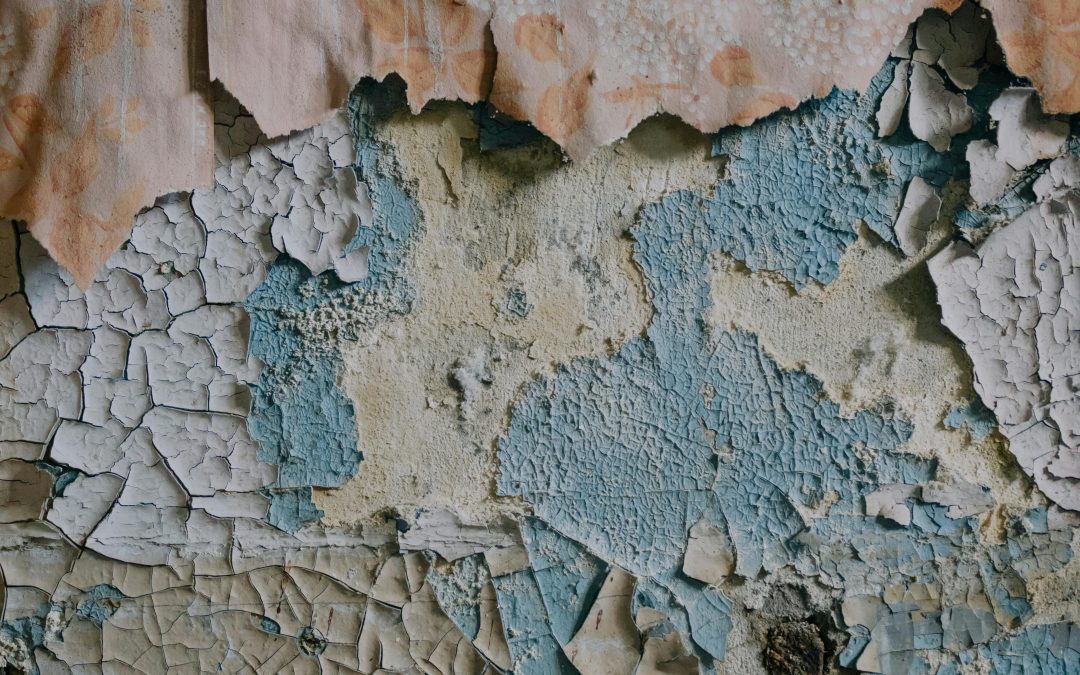
The old paint is peeling, flaking, or bubbling: Painting over unstable paint will only lead to more peeling.
There are several thick layers of old paint: Too many coats can lead to an uneven finish and visible texture issues.
You’re switching paint types: Going from oil-based to latex (or vice versa) may require removal for better adhesion.
You’re painting over a glossy surface: Glossy paint needs to be stripped or sanded so the new paint sticks.
The surface has lead-based paint: In homes built before 1978, paint may contain lead, and removal needs to be done safely.
You want a perfectly smooth finish: Furniture or trim with visible brush marks or thick buildup will look better after stripping.
In these cases, removing the old paint helps the new paint bond properly and look its best for years to come.
When You Don’t Need to Strip Old Paint
Now, the good news — in many situations, you can absolutely skip the messy process of stripping. Here’s when it’s safe to paint over old paint:
The existing paint is in good condition: No peeling, cracking, or bubbling
You’re repainting with the same type of paint: Latex over latex or oil over oil
You’re not trying to drastically change texture or sheen
The color change isn’t extreme: A primer might be enough if you’re going from dark to light
In these cases, all you need is a good cleaning, some light sanding, and possibly a primer before you start painting.
How to Tell If the Old Paint is Oil or Latex
Before repainting, especially on older surfaces, it’s useful to know what kind of paint you’re dealing with. Here’s a quick test:
Take a cotton ball dipped in rubbing alcohol and rub it on the painted surface.
If paint comes off, it’s latex.
If nothing comes off, it’s likely oil-based.
If you’re painting latex over oil, stripping or at least thorough sanding and priming is recommended.
How to Strip Old Paint (If You Decide You Need To)
If you’ve decided that yes, you should strip old paint before repainting, here are the common methods:
Manual scraping: Use a paint scraper or putty knife. Best for peeling or flaking paint.
Sanding: Use medium to coarse-grit sandpaper or a power sander for larger areas.
Chemical strippers: Gel or liquid products that break down paint for easy removal.
Heat gun: Softens paint so it can be scraped off. Best for thick or stubborn layers.
Always wear protective gloves, goggles, and a mask, especially when working with older paint or chemical removers.
What to Do After Stripping Paint
Once the old paint is gone, don’t rush to repaint right away. Take these steps first:
Clean the surface thoroughly
Repair any cracks, dents, or imperfections
Sand lightly to smooth the surface
Apply a quality primer
Let it dry completely
Now you’re ready to repaint with confidence.
Can You Just Sand Instead of Stripping?
Sometimes, yes. Light to moderate sanding can be enough to scuff the surface, especially if the existing paint is in good shape. This helps the new paint stick without needing to fully strip the old layers.
Use a sanding sponge or orbital sander with 120- to 150-grit paper. Wipe down dust before painting.
Final Takeaway: Think Before You Strip
So, should you strip old paint before repainting? The answer really comes down to surface condition and your goals. If the paint is failing, uneven, or the finish needs a major reset, stripping is the right move. But if the old paint is solid, clean, and compatible, a quick sanding and primer may be all you need.
Stripping paint is extra work, but it pays off in durability and finish quality. If you’re investing the time to repaint, it’s worth doing it right from the base up.