
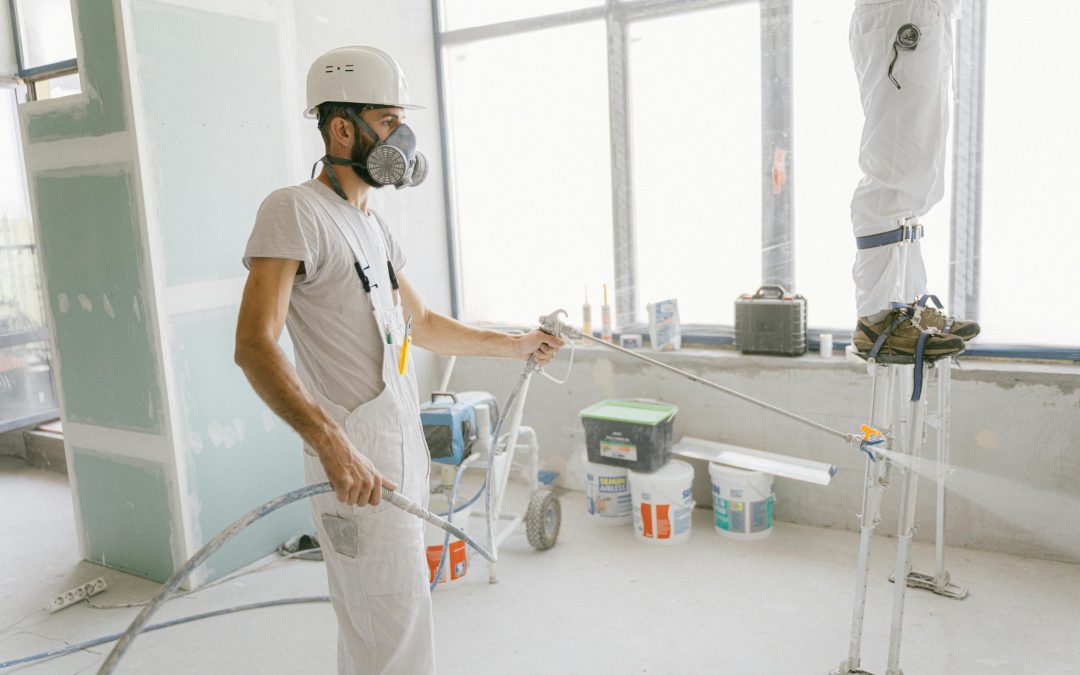
Thinking about tackling a painting project at home? Whether you’re freshening up a single room or giving your whole house a new look, painting can be super satisfying. But before you grab that brush or roller, it’s really important to keep safety top of mind. After all, accidents happen — but many can be avoided with a few smart painting safety tips.
Did you know that the U.S. Consumer Product Safety Commission reports thousands of home painting injuries every year? From chemical exposure to falls, painting has its risks if you’re not careful. So let’s chat about how to stay safe and enjoy your painting project without any unexpected mishaps.
Why Painting Safety Tips Matter
Painting might look straightforward, but it involves chemicals, heights, and physical work that can lead to accidents. Proper safety measures help protect your health, your home, and keep the project running smoothly. Plus, knowing the right safety tips means you can focus more on creativity and less on worry.
Essential Painting Safety Tips for Every Home Painter
Here’s a friendly rundown of the key painting safety tips to keep in mind, whether you’re a DIY beginner or a seasoned pro.
1. Use the Right Personal Protective Equipment (PPE)
Painting exposes you to fumes, splashes, and dust, so protecting your body is a must. Always wear:
- Gloves: To keep chemicals off your skin. Nitrile gloves work well for most paints and solvents.
- Mask or Respirator: Especially when working with oil-based paints or in poorly ventilated spaces. Look for N95 masks or respirators designed for paint fumes.
- Safety goggles: To shield your eyes from splatters.
- Old clothes or coveralls: Painting can get messy, so wear clothes you don’t mind ruining.
2. Ensure Proper Ventilation
Fumes from paint can cause headaches, dizziness, or worse if inhaled too much. Always paint in well-ventilated areas:
- Open windows and doors.
- Use fans to circulate air.
- Take breaks outside if you start feeling lightheaded.
3. Be Careful on Ladders and Step Stools
Falls are one of the most common injuries during painting. To stay safe:
- Use a sturdy ladder with slip-resistant feet.
- Don’t overreach—move the ladder instead.
- Keep the ladder on a flat, stable surface.
- Have a friend hold the ladder if possible.
- Avoid ladders in wet or windy conditions.
4. Handle Paint and Solvents Safely
Paints and cleaning solvents can be flammable or toxic. A few tips:
- Store paint and solvents away from heat sources.
- Don’t smoke or use open flames near paint.
- Dispose of rags soaked with paint thinner properly to avoid fire risk.
- Follow the manufacturer’s instructions for use and disposal.
5. Prepare Your Work Area
A cluttered workspace increases accident risk. Before you start painting:
- Remove or cover furniture and valuables.
- Clear the floors of tripping hazards.
- Lay down drop cloths to protect floors and catch drips.
6. Take Care When Cleaning Up
Cleaning brushes and rollers often involves chemicals or water:
- Use appropriate cleaners as per paint type.
- Dispose of leftover paint and solvents at designated hazardous waste centers.
- Wash your hands thoroughly after painting.
Bonus: Eco-Friendly and Safer Paint Choices
Choosing low-VOC (volatile organic compounds) or zero-VOC paints reduces harmful fumes and is better for your health and the environment. Brands like Benjamin Moore and Sherwin-Williams offer low-VOC options that still deliver great coverage and durability.
What to Do If You Experience a Painting Accident
Even with precautions, accidents can happen. If you get paint in your eyes, flush immediately with water and seek medical help if irritation continues. For skin contact with solvents, wash with soap and water right away. If you feel dizzy or nauseous from fumes, get fresh air immediately and rest.
Painting Safety Tips Recap
- Always wear gloves, masks, and goggles.
- Keep your painting area ventilated.
- Use ladders carefully.
- Store and dispose of paints and solvents properly.
- Prepare and clear your workspace.
- Choose safer, low-VOC paints.
Final Thoughts
Painting can transform your space, and knowing these painting safety tips makes the process safer and more enjoyable. Keeping your health and environment in check lets you focus on what matters: bringing color and life to your home. So before you roll that first coat, take a moment to gear up and prep safely—you’ll thank yourself later!
If you ever feel unsure, remember it’s always better to pause and check than to rush and regret. Here’s to safe and beautiful painting adventures!