
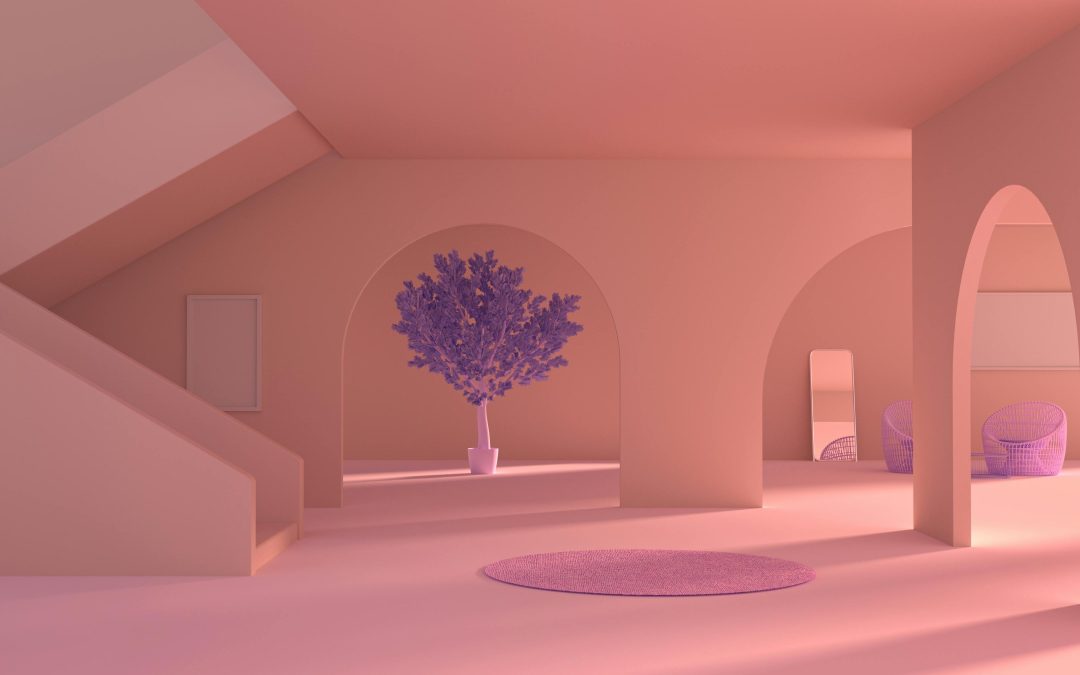
Small rooms can be cozy and charming, but sometimes they just feel… well, cramped. Whether it’s a tiny bedroom, a narrow hallway, or that “bonus room” you never quite figured out, paint can work serious magic. If you’re wondering how to open up your space without knocking down walls, you’re in the right place.
Let’s talk about paint tricks for small rooms that make your home feel bigger, brighter, and more inviting without a full renovation.
Go Light and Bright
The oldest trick in the book is still one of the best. Light paint colors make a room feel larger. Soft whites, pale grays, and pastels reflect more light, which helps open up the space.
Try soft white, light taupe, pale sage, or powder blue. Avoid dark, heavy colors on all four walls—they can absorb light and make the room feel even smaller.
Use One Color for Walls and Trim
Painting your walls and trim the same color (or just a slight variation) creates a smooth, seamless look that makes walls appear taller and rooms feel more open. It eliminates harsh edges and visually blends the space together.
This trick works especially well in small bathrooms or narrow hallways.
Embrace Vertical Stripes
If you want to make your ceilings look higher, try painting vertical stripes on your walls. They draw the eye upward and create the illusion of height, which is especially helpful in rooms with low ceilings.
You don’t have to go bold with black and white. Soft stripes in similar tones work just as well.
Paint the Ceiling a Lighter Shade
Here’s a subtle trick that works beautifully. Paint your ceiling a lighter version of your wall color. This creates a soft transition from wall to ceiling and gives the illusion of extra height.
If you’re feeling bold, you can go with a soft glossy white ceiling to reflect light and add dimension.
Try Color Blocking One Wall
Instead of painting the whole room a dark color, use a color block technique on just one accent wall—especially the wall farthest from the entrance. This adds depth without overwhelming the space.
This approach works great in living rooms and bedrooms where you want a little visual interest without making the room feel smaller.
Keep It Monochromatic
A monochromatic color palette—where walls, furniture, and accessories are all in the same family—helps a room feel cohesive and less cluttered. It allows the eye to flow smoothly through the space, making it feel more expansive.
You don’t have to stick to white or beige. Soft greens, dusty blues, or gentle lavenders all work well.
Add a Glossy Finish to Reflect Light
Using a satin or semi-gloss finish instead of matte can help bounce light around the room, making it feel more open and airy. This works especially well on trim, doors, or even accent walls.
Just be careful not to overdo it. Too much gloss can feel cold. Balance it with soft textures in your furniture and fabrics.
Paint Built-Ins the Same Color as Walls
Got a bookcase, cabinet, or shelving unit built into a small room? Paint it the same color as the wall behind it. This helps it blend into the background and reduces visual clutter. Your space will feel bigger and more streamlined.
Use Cool Tones for a Spacious Feel
Cool colors like blue, green, and soft gray tend to recede visually, making walls feel farther away. Warm colors like reds and oranges tend to come forward, which can make spaces feel tighter.
Stick with cool tones if you’re aiming for that open, breathable vibe.
Create Contrast in the Right Places
This may sound like the opposite of what we’ve said, but a little contrast can help define space. For example, painting your lower walls (like a half-wall or wainscoting) in a slightly darker tone adds visual interest without crowding the space.
This works well in dining rooms, powder rooms, or entryways.
Quick Recap: Paint Tricks for Small Rooms
Stick to light, neutral colors
Paint walls and trim the same color
Use stripes or vertical elements to add height
Keep finishes smooth and light-reflective
Try a soft accent wall for depth
Keep built-ins and furniture low-contrast
Cool tones help make rooms feel open
Final Takeaway
So, what are the best paint tricks for small rooms? It all comes down to using color to trick the eye—creating space where there isn’t much of it. Whether you go with a light monochrome palette or add a pop of color on one wall, the right paint choice can completely transform how your room looks and feels.
Before you splurge on new furniture or a full renovation, try one or two of these paint ideas. A fresh coat of the right color might be all your small space needs to feel big, bright, and beautifully refreshed.