
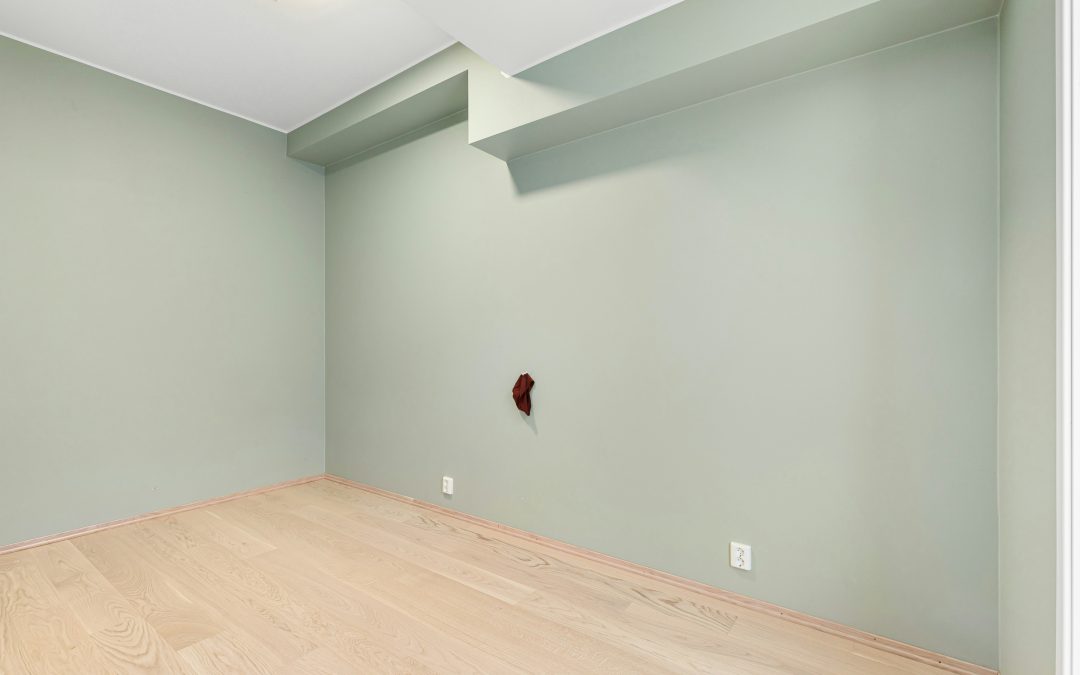
Have you ever walked into a small room with no windows and felt like the walls were closing in? Many people face this challenge, especially in basements, apartments, or interior spaces without windows. The good news is that paint can transform even the darkest, tiniest spaces. Choosing the right paint color for small room no natural light can make it feel larger, brighter, and more welcoming.
Why Paint Choice Matters in Dark Rooms
Color psychology and light reflection play huge roles in how we experience a space. According to the Paint Quality Institute, lighter shades reflect more light, helping small or dim rooms feel open and airy. Dark colors absorb light, which can make a windowless room feel more enclosed. The goal is to pick a paint that maximizes the available artificial light while also creating a comfortable vibe.
When you carefully choose the right paint color, you can make a small room without natural light feel surprisingly cozy rather than gloomy.
Best Paint Colors for Rooms Without Windows
So, what works best when painting a windowless or low-light space? Here are some tried-and-true options:
- Soft Whites: Shades like creamy ivory or off-white bounce light around the room, making it appear brighter.
- Light Grays: A pale gray offers sophistication without feeling too dark. Pair with warm lighting to avoid a cold vibe.
- Pale Blues: Light blue tones mimic the calming effect of the sky, giving the illusion of openness.
- Warm Beiges: Neutral beige can add warmth while still reflecting artificial light.
- Pastel Greens or Yellows: These soft shades bring freshness and energy into a small space.
The trick is to avoid colors that are too dark or too bold, since they can overwhelm the room and make it feel smaller. Instead, focus on airy hues that expand the space visually.
Tips for Painting a Small Room With No Natural Light
Painting is not just about color—it is also about how you use it. Here are some practical tips that can take your room from dull to delightful:
- Use a Satin or Semi-Gloss Finish: These finishes reflect more light compared to matte, enhancing brightness.
- Paint the Ceiling Lighter: A lighter ceiling color draws the eye upward, making the room feel taller.
- Add Accent Walls Carefully: If you want contrast, choose one accent wall in a slightly darker shade while keeping the rest light.
- Pair With the Right Lighting: LED lights with warm tones (around 2700–3000K) help colors look more natural and inviting.
- Keep Decor Minimal: Too much clutter or heavy furniture will make the room feel closed in, no matter the paint color.
When applied thoughtfully, these small touches make a big difference in how the space feels.
Examples of Successful Small Room Makeovers
Interior designers often use color as a tool to visually trick the eye. For instance, a small office painted in pale gray with white trim can suddenly feel modern and airy. A basement guest room painted in light beige with soft yellow lighting can feel cozy instead of cave-like.
One study in Color Research & Application found that lighter paint colors can actually influence mood positively, making spaces without natural light feel less confining. That is why choosing the right paint color for small room no natural light is not just about style but also about comfort and well-being.
Final Thoughts
If you are struggling with a small, dark room, paint might just be your secret weapon. By choosing the right paint color for small room no natural light, you can completely change how the space feels. Stick with light, airy shades, consider your finishes, and pair everything with the right lighting.
Even a tiny, windowless room can feel welcoming and stylish with the right color palette. Next time you are debating how to brighten up a dim space, start with the paintbrush—you might be surprised by the transformation.