
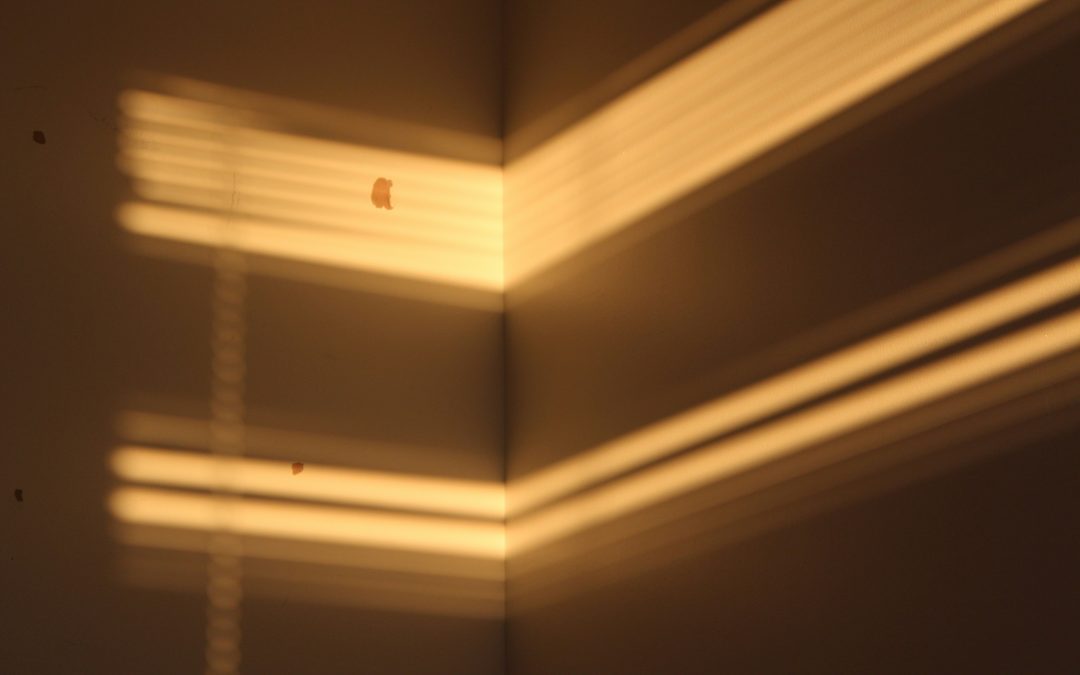
If you’ve ever wanted your walls to shimmer, glow, or subtly reflect light, metallic paint might be the perfect upgrade. Once reserved for hotels and designer spaces, metallic finishes are now a popular choice in modern homes. They add instant character and depth while reflecting light in ways ordinary paint cannot. Whether you want a soft, brushed effect or a bold, high-gloss statement wall, metallic paint for walls can completely transform a room’s personality.
Let’s explore what metallic wall paint is, how to use it effectively, the different finishes available, and professional tips to get that flawless, radiant look.
What Is Metallic Paint for Walls?
Metallic paint is a specialty wall finish that contains tiny reflective particles—usually aluminum, bronze, or mica flakes—mixed into a colored base. These metallic pigments create a shimmering, light-catching effect that gives the paint its distinct depth and luster.
Unlike standard matte or satin paints, metallic paints interact dynamically with light. During the day, sunlight enhances their sheen; at night, they reflect the warmth of artificial lighting, adding dimension and visual interest. The result is a luxurious, almost 3D effect that elevates your walls from background to focal point.
Why Choose Metallic Paint?
Metallic wall paint is not just about glamour—it serves practical design purposes too. Here’s why homeowners and interior designers love it.
- Light Reflection – It bounces natural and artificial light, making small or dim rooms appear brighter and larger.
- Visual Depth – The reflective particles create subtle gradients, giving walls a textured, layered appearance.
- Luxury Feel – Metallic finishes exude sophistication, often associated with high-end design.
- Versatility – Available in many tones, from warm golds and bronzes to cool silvers and graphite shades.
- Customization – Works well with stencils, accent walls, or blended finishes for creative effects.
Metallic paint can instantly elevate spaces like dining rooms, hallways, bedrooms, or feature walls behind headboards and fireplaces.
Popular Shades and Finishes
Metallic paints come in a wide range of tones and sheens, allowing you to tailor the look to your interior style.
Gold and Bronze Tones
These shades add warmth and richness. Gold walls pair beautifully with dark furniture, deep navy, or emerald accents. Bronze or copper metallic paints create a cozy, rustic glow that works well in living rooms or spaces with wooden decor.
Silver and Platinum Finishes
Cool metallics like silver, pewter, and platinum give a sleek, modern feel. They’re ideal for contemporary rooms, home offices, or minimalist designs. These finishes complement glass, chrome, and neutral color palettes.
Rose Gold and Champagne Hues
For a softer, romantic vibe, rose gold and champagne metallics are trendy options. They add subtle warmth and sophistication, perfect for bedrooms, vanity areas, or boutique-inspired interiors.
Dark Metallics: Graphite and Charcoal
Deep metallics like gunmetal gray or graphite provide a moody, dramatic touch. These work beautifully as accent walls or in masculine spaces like offices, media rooms, or loft-style apartments.
Where to Use Metallic Paint
Because metallic finishes are bold, strategic placement matters. You can apply them in full rooms or as accents.
Accent walls are the most popular use. Try it behind a bed, sofa, or dining area for instant drama.
Metallic ceilings can reflect light beautifully and create a luxurious glow, especially in smaller rooms.
Use metallic paint on trims, doors, or crown moldings for elegant detailing.
Extend the look to cabinets or wall panels for a cohesive design.
Pro tip: Metallic paint looks best when contrasted with matte finishes elsewhere in the room. The balance keeps it stylish, not overwhelming.
How to Apply Metallic Paint for Walls
Applying metallic paint requires a bit more care than standard latex paint because its shimmer depends on consistent particle alignment. Follow these steps for best results.
Step 1: Prepare the Surface
Smooth walls are essential. Clean off dust and fill any dents or cracks. Sand the surface lightly and wipe it clean. Metallic finishes highlight imperfections, so a well-prepared wall is key.
Step 2: Apply Primer
Use a tinted primer that matches your metallic paint color. This ensures even coverage and helps the metallic sheen appear richer.
Step 3: Use the Right Tools
For even results, use a synthetic brush, high-density foam roller, or special metallic paint roller. Some painters use soft-bristle brushes to create subtle texture or crosshatch effects.
Step 4: Apply the First Coat
Start with thin, even strokes. Don’t overload your roller—metallic pigments tend to clump if too much paint is applied at once. Allow it to dry completely before moving on.
Step 5: Apply a Second or Third Coat
Most metallic paints need two or three coats for full opacity and shine. Use consistent strokes in one direction to prevent uneven light reflection.
Step 6: Optional Glaze or Topcoat
Some brands recommend applying a clear protective glaze to enhance durability and add extra sheen. This step also helps protect the finish in high-traffic areas.
Creative Effects with Metallic Paint
One of the most exciting parts of using metallic wall paint is experimenting with texture and light. Here are a few creative finishes to try.
Brushed Metallic – Achieved by dragging a dry brush over semi-wet paint, creating a linear, reflective look.
Ombre Effect – Blend two metallic tones, like silver and pewter, for a gradient wall that changes tone as the light shifts.
Stenciled Metallics – Use stencils to add shimmering patterns or motifs. Works beautifully in entryways or bathrooms.
Crisscross Finish – Use a brush to apply light crisscross strokes over the final coat for a soft, linen-like sheen.
Two-Tone Walls – Combine matte paint with a metallic top half or bottom panel for a sophisticated contrast.
Maintenance and Durability
Metallic paints are generally durable but need gentle care. Avoid abrasive cleaners or rough scrubbing. Instead, use a soft cloth and mild soap to remove dirt or smudges.
If applied correctly and sealed, metallic paint can last for years without fading or tarnishing. In high-traffic areas, consider adding a protective topcoat to prevent scuffs.
Common Mistakes to Avoid
Skipping primer can make the metallic finish look blotchy.
Uneven rolling causes metallic flakes to settle inconsistently, leaving visible lines.
Poor lighting hides the shimmer and depth that make metallic paint special.
Overusing metallic finishes can make a space feel overwhelming. Use them strategically.
Pairing Metallic Walls with Decor
Metallic walls can work with many styles—from industrial to bohemian—depending on how you pair them.
With neutrals, let your metallic walls be the focal point. Pair them with beige, taupe, or off-white tones.
With bold accents, deep blues, greens, or burgundy furnishings enhance contrast and richness.
With textures, combine metallic walls with matte finishes, natural wood, or stone elements for balance.
Adding plants, mirrors, or warm lighting can also soften the reflective look, creating a cozy yet luxurious feel.
Final Thoughts
Metallic paint for walls is one of the most versatile and eye-catching interior upgrades you can make. Whether you want subtle shimmer or a bold statement, metallic finishes bring texture, depth, and light into any room. From gold and bronze to silver and graphite, these paints offer endless creative possibilities.
With the right preparation, tools, and design balance, you can achieve a professional-quality metallic wall that turns your home into a sophisticated, light-catching masterpiece.