
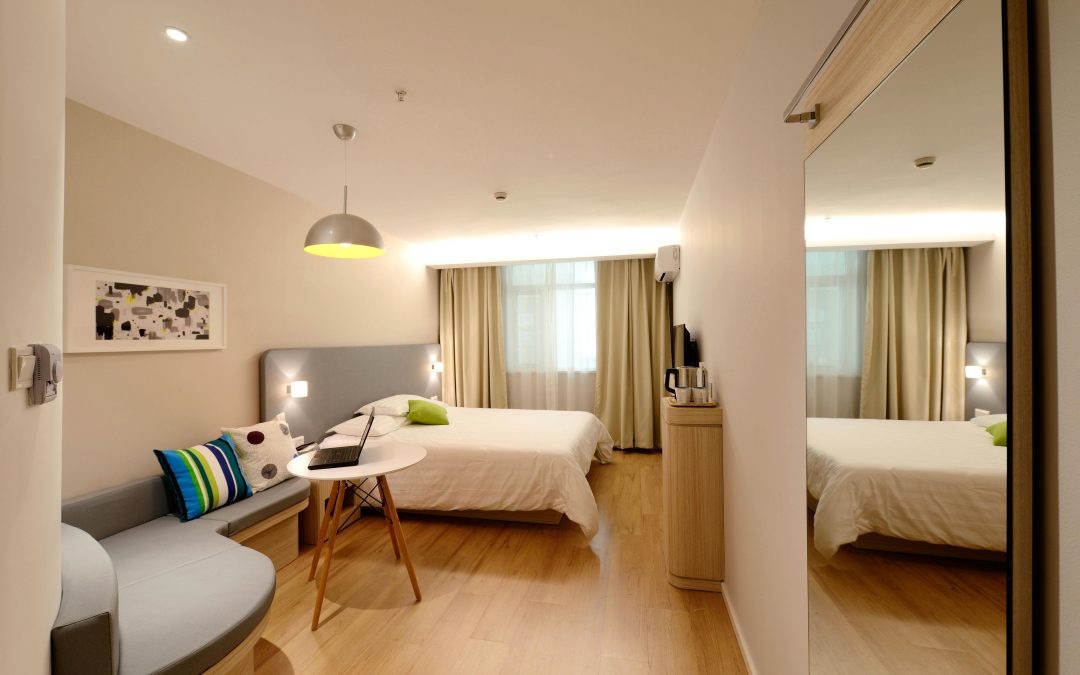
Have you ever walked into a room and instantly felt relaxed or unexpectedly energized? That is the power of color. The shades you choose for your home influence your emotions more than you might think. Learning how to use color psychology in home decoration can help you create spaces that feel balanced, comforting, or inspiring, depending on what you want each room to do. The best part is that you do not need to be a professional designer to make it work. A little understanding and a few thoughtful choices can completely change the atmosphere of your home.
What Color Psychology Really Means
Color psychology studies how different colors affect our mood and behavior. It is widely referenced in design, marketing, and architecture because colors influence people on a subconscious level. A well known study published in Frontiers in Psychology notes that warm colors can increase energy while cool colors often create a calming effect. This simple concept makes it easier to use colors intentionally in your home.
When you understand how to use color psychology in home decoration, you gain the ability to shape the emotional tone of every room.
Choose Colors Based on the Room’s Purpose
Every room in your home serves a different purpose, so your color choices should match the kind of feeling you want to create. For example, bedrooms usually need calm and comfort while kitchens benefit from brightness and energy.
Here are some ideas:
- Living room: warm neutrals, soft blues, earthy greens
- Bedroom: lavender, pale gray, muted blues
- Office: greens that boost focus, soft yellows that support creativity
- Kitchen: whites for openness, warm tones for energy
- Bathroom: cool blues for relaxation or warm beige for coziness
Thinking about the room’s purpose helps you make more confident design decisions.
Use Warm Colors to Boost Energy
Warm colors like red, yellow, and orange naturally energize a space. They create a sense of warmth and excitement, which makes them great choices for social areas. If you want to know how to use color psychology in home decoration for a lively feel, warm colors are your answer.
Try using them in:
- Dining areas where you want conversation to flow
- Entryways where you want a welcoming vibe
- Kitchens where energy and movement are part of daily routines
If bold colors feel too intense, you can use softer warm tones like peach, coral, or mustard for the same uplifting effect.
Use Cool Colors to Create Calm and Comfort
Cool colors like blue, green, and purple often bring peace and relaxation. They remind us of nature, water, and fresh air. These colors are perfect for bedrooms, bathrooms, and quiet corners of your home.
Think about:
- Light blue for a soothing bedroom
- Soft green in an office to help maintain focus
- Pale lavender in a relaxation or reading space
According to the American Psychological Association, cool tones can reduce stress levels and help people feel more centered. That is why they work so well in rooms meant for rest and recovery.
Balance Your Colors Using Neutrals
Neutrals are the foundation of most great designs. Shades like white, beige, gray, and cream create balance when you are working with stronger colors. They keep a room from feeling overwhelming and make it easier to switch styles over time.
If you are exploring how to use color psychology in home decoration, consider using neutrals as your base and adding pops of color through décor, pillows, artwork, or accent pieces.
This approach gives you flexibility while still keeping the emotional impact of your chosen colors.
Use Accent Colors to Highlight Key Features
Accent colors allow you to introduce personality without repainting entire rooms. A bold chair, a colorful rug, or vibrant wall art can shift the mood without major commitment.
Here are some effective ways to use accent colors:
- Add colorful cushions that match your desired mood
- Choose artwork that incorporates your main color palette
- Paint a single accent wall to make a statement
- Bring in plants for natural green tones
Accent colors are especially useful if you like updating your décor regularly.
Test Colors Before Committing
Lighting changes everything. Natural daylight, warm bulbs, and cool LEDs all influence how a color appears in your home. Always test paint samples on your walls before choosing your final color.
Look at the color:
- In morning light
- In artificial lighting
- During nighttime
This ensures the color supports the mood you want throughout the entire day.
Final Thoughts
Understanding how to use color psychology in home decoration gives you the power to design spaces that truly support your lifestyle. Whether you want calm evenings, productive workdays, or cheerful gatherings, the right colors can help you get there. Start with small changes like accent pieces or repainting one wall, and let your confidence grow from there. With thoughtful choices, color can become one of your most effective design tools.