
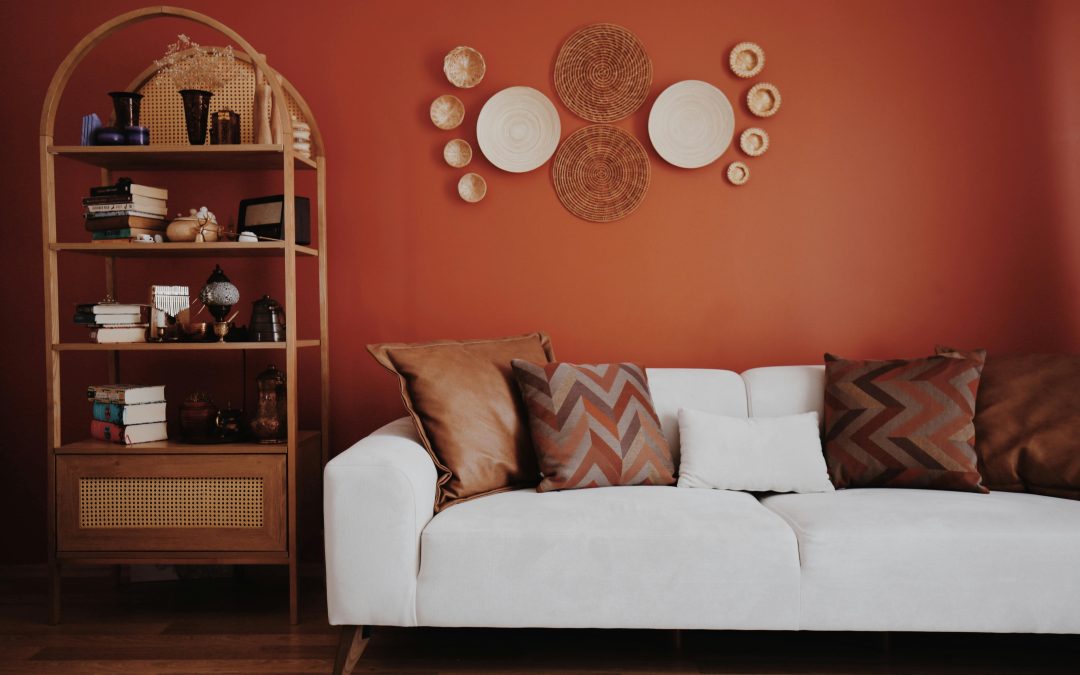
When you walk into a room and instantly feel calm, energized, or even a little uneasy, it is not random. Colors play a powerful role in shaping how we feel inside a space. That is exactly where how color psychology affects home interiors becomes so interesting. It is not just about picking your favorite shade, it is about creating an atmosphere that actually supports your mood and lifestyle.
Whether you are redesigning a single room or refreshing your entire home, understanding color psychology can help you make smarter and more satisfying choices.
What Is Color Psychology in Interior Design
Color psychology is the study of how colors influence human emotions and behavior. In home interiors, this idea is used to create spaces that feel comfortable, inviting, and functional.
For example, a bedroom painted in soft blues may help you relax, while a bright yellow kitchen can feel lively and cheerful. Designers often rely on this principle to guide their choices, but you can easily use it yourself too.
A well-known study published in the journal Frontiers in Psychology suggests that colors can significantly influence mood and cognitive performance. That means your wall color might be doing more than just looking pretty.
Why How Color Psychology Affects Home Interiors Matters
You spend a large part of your life at home, so the environment you create has a real impact on your well-being. Understanding how color psychology affects home interiors allows you to design spaces that match your needs.
Think about it like this:
- Want better sleep? Choose calming tones
- Need more focus? Use neutral or cool shades
- Hosting often? Go for warm and welcoming colors
It is not about strict rules. It is about using color intentionally to support how you want to feel in each room.
The Emotional Impact of Popular Colors
Let’s break down some commonly used colors and what they tend to evoke.
Blue Creates Calm and Focus
Blue is often associated with peace and stability. That is why it works so well in bedrooms and home offices.
Lighter blues feel airy and relaxing, while deeper shades can add sophistication without feeling overwhelming.
Yellow Brings Energy and Warmth
Yellow is bright, cheerful, and uplifting. It is often used in kitchens and dining areas because it can stimulate conversation and appetite.
However, too much intense yellow can feel overwhelming, so balance is key.
Green Connects You to Nature
Green is one of the most versatile colors. It represents growth, balance, and freshness.
It works beautifully in almost any room, especially living rooms and bathrooms. Soft greens can feel calming, while darker greens add depth and elegance.
Red Adds Passion and Intensity
Red is bold and attention-grabbing. It can increase energy levels and even raise heart rates slightly.
Because of its intensity, it is best used as an accent color rather than covering an entire room.
Neutrals Offer Flexibility and Comfort
Whites, grays, and beiges create a clean and timeless look. They also act as a perfect backdrop for other colors.
Neutrals are ideal if you want a calm and uncluttered space that still feels stylish.
How to Use Color Psychology Room by Room
Now that you understand the basics, let’s look at how to apply them in your home.
Living Room
This is where people gather, relax, and socialize. Warm tones like soft browns, muted oranges, or warm neutrals work well here.
If you want a more modern feel, combine neutral walls with colorful accents like cushions or artwork.
Bedroom
The bedroom should feel restful and peaceful. Cool tones such as blues, soft greens, and lavender are great choices.
Avoid overly bright or stimulating colors, as they may interfere with sleep.
Kitchen
Kitchens benefit from energetic and inviting colors. Light yellows, warm whites, or even subtle reds can make the space feel lively.
At the same time, keeping the palette balanced helps prevent it from feeling too busy.
Bathroom
Bathrooms are perfect for fresh and clean colors. Whites, soft blues, and light greens create a spa-like atmosphere.
Adding natural textures like wood can enhance the calming effect.
Home Office
Focus and productivity are key here. Cool tones like blue or green can help maintain concentration.
Neutral shades also work well if you prefer a distraction-free environment.
Tips for Applying Color Psychology in Your Home
If you are just getting started, here are a few practical tips to keep things simple:
- Start small with accessories like cushions, rugs, or curtains
- Test paint samples before committing to a full wall
- Use natural light to see how colors change throughout the day
- Combine colors thoughtfully instead of relying on just one
- Consider the purpose of each room before choosing a palette
These small steps can make a big difference without overwhelming you.
Balancing Personal Style with Psychology
While it is helpful to understand how color psychology affects home interiors, your personal taste still matters most.
If you love a bold color, there is no need to avoid it completely. Instead, use it in a way that feels balanced. For example, pair a strong color with softer tones or limit it to one feature wall.
Interior design is both a science and an art. The goal is to create a space that feels right to you.
Common Mistakes to Avoid
It is easy to get carried away when choosing colors. Here are a few things to watch out for:
- Using too many bold colors in one space
- Ignoring lighting conditions
- Choosing trendy colors without considering long-term appeal
- Forgetting how colors interact with furniture and decor
Being mindful of these can save you time and effort later.
The Future of Color Trends in Interiors
Modern interior design is shifting toward more personalized and wellness-focused spaces. That means color choices are becoming more intentional.
Earthy tones, soft pastels, and nature-inspired palettes are gaining popularity because they promote comfort and balance.
As people spend more time at home, the importance of how color psychology affects home interiors continues to grow.
Final Thoughts
At the end of the day, your home should feel like a place where you can truly relax and be yourself. Understanding how color psychology affects home interiors gives you a powerful tool to shape that experience.
You do not need to follow strict rules or hire a designer. Just start paying attention to how different colors make you feel and build from there.
With a little thought and creativity, you can turn any space into one that not only looks beautiful but also feels exactly right.