
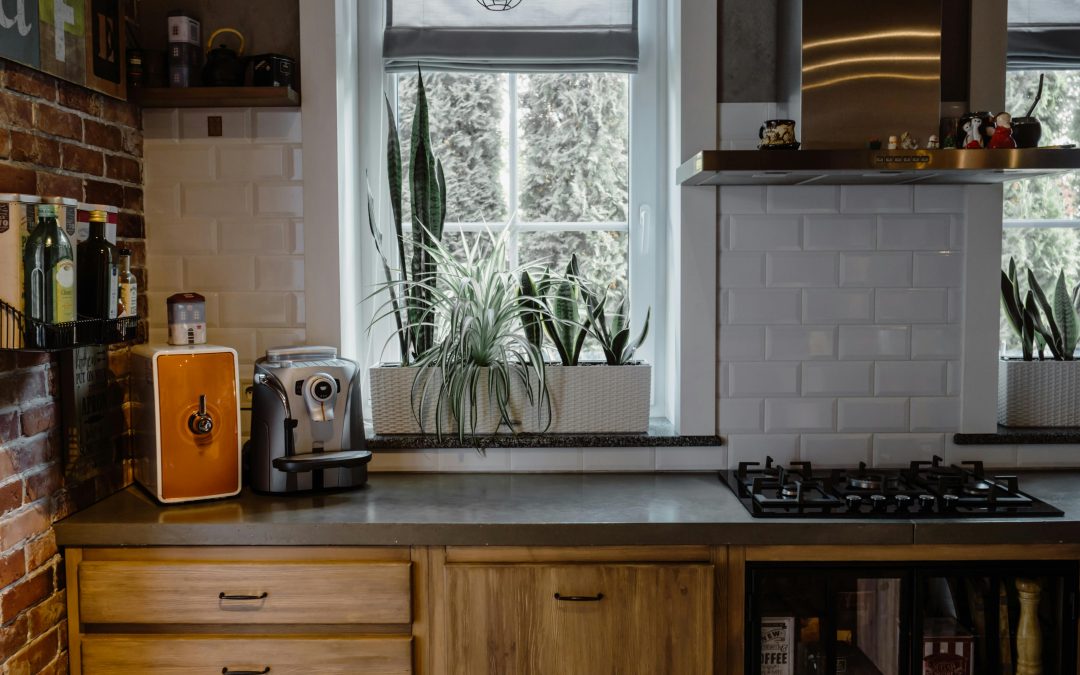
Ever looked around your kitchen and thought it could use a little refresh but without spending thousands on new cabinets? You are not alone. Many homeowners are turning to cabinet stain refinishing as a smart, affordable, and satisfying way to give their space a makeover. With the right tools and a bit of patience, you can make old cabinets look brand new, saving both money and the environment.
Why Cabinet Stain Refinishing Is Worth It
Refinishing your cabinets can completely change the look and feel of your kitchen or bathroom. Instead of replacing the cabinetry, which can cost anywhere from $5,000 to $15,000 depending on size and materials, refinishing typically costs a fraction of that—often between $300 and $800 for an average kitchen. According to HomeAdvisor, refinishing can save up to 60% compared to replacing cabinets entirely.
But the benefits go beyond cost. Cabinet stain refinishing lets you preserve the quality and structure of solid wood cabinets, while also giving you the freedom to customize the finish, tone, and sheen. It is a sustainable choice that reduces waste and keeps perfectly good wood out of landfills.
What Is Cabinet Stain Refinishing?
Cabinet stain refinishing is the process of removing the old finish from your wooden cabinets and applying a new stain to enhance or change their color. It differs from painting because it maintains the natural beauty of the wood grain rather than covering it up.
This process usually involves:
- Cleaning and degreasing the surface
- Sanding to remove the old finish
- Applying a new stain or color tone
- Sealing with a protective topcoat for durability
If you want to retain that rich, wood-textured appearance in your kitchen, refinishing is the best route to take.
Choosing the Right Stain for Your Cabinets
Selecting the right stain is where creativity meets practicality. The most common types include:
- Oil-based stains: Provide deep color and long-lasting results.
- Water-based stains: Dry faster, have low odor, and are easier to clean up.
- Gel stains: Offer excellent control and consistency, perfect for beginners.
When deciding on a color, consider your home’s overall design and lighting. Lighter stains like maple or ash can make a small kitchen appear bigger and more modern, while darker tones such as walnut or espresso add warmth and luxury.
Step-by-Step Guide to Cabinet Stain Refinishing
Here is a simplified breakdown to help you get started:
- Remove hardware and doors – Take off handles, hinges, and doors to make refinishing easier.
- Clean thoroughly – Use a degreaser or mild detergent to remove any buildup of oil or grime.
- Sand the surface – Lightly sand to remove the old finish and open up the wood pores for better stain absorption.
- Apply the stain – Use a brush or cloth, working with the grain of the wood. Wipe off any excess to control color intensity.
- Let it dry – Allow adequate drying time, as recommended by the stain manufacturer.
- Seal with a finish – Apply a polyurethane or lacquer finish to protect against moisture and wear.
Pro tip: Always test your stain on a small, hidden area first to ensure the color is what you want.
Small Details That Make a Big Difference
When doing cabinet stain refinishing, attention to detail can make your project look professional. Replacing old knobs or handles, for example, can give your cabinets an instant style upgrade. Brushed nickel or matte black hardware pairs beautifully with most wood tones.
Adding soft-close hinges or LED lighting under cabinets can also enhance functionality and make your kitchen feel more modern.
Common Mistakes to Avoid
Even though refinishing is beginner-friendly, there are a few mistakes that can affect your results:
- Skipping sanding or cleaning steps
- Applying stain too thickly or unevenly
- Not allowing enough drying time between coats
- Forgetting to ventilate your workspace properly
Take your time, work in small sections, and be patient. The effort is worth it when you see the transformation.
Eco-Friendly Advantage of Refinishing
An often-overlooked benefit of cabinet stain refinishing is its eco-friendliness. By reusing your existing cabinetry, you help reduce manufacturing emissions and waste. According to the U.S. Environmental Protection Agency (EPA), furniture and wood waste make up a significant portion of landfill material each year. Refinishing extends the life of your cabinets while minimizing your carbon footprint.
You can also choose low-VOC or water-based stains for a healthier indoor environment, especially if you have children or pets at home.
When to Call a Professional
While many homeowners successfully refinish cabinets themselves, there are times when hiring a professional is worth it. If your cabinets are heavily damaged, warped, or have multiple layers of old paint or varnish, professionals have the right tools and experience to handle the job efficiently.
They can also help you achieve specialty finishes like glazing or distressing, which can elevate the final look.
Final Thoughts
Cabinet stain refinishing is one of the most affordable and satisfying ways to give your kitchen or bathroom a fresh new feel. Whether you want to brighten the space with a light oak tone or go bold with a rich mahogany, the process allows for endless creativity. Plus, it is a sustainable solution that keeps quality materials in use while saving you money.
So, grab your sander, pick your favorite stain, and get ready to transform your space with a bit of elbow grease and a lot of satisfaction.