
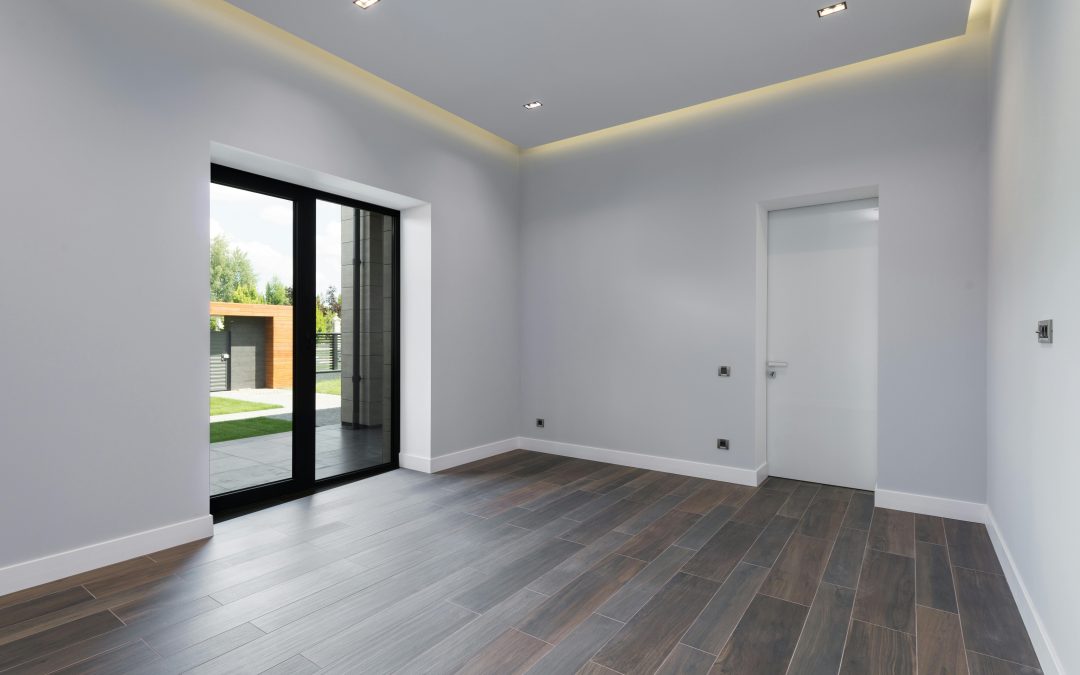
We all know that freshly painted walls can make a room feel brand new, but keeping that fresh look can be challenging—especially when it comes to scratches. Whether it’s from moving furniture, pets, or simply everyday wear and tear, scratches on walls are a common problem. But don’t worry! You can take simple steps to protect your wall paint from scratches and keep your walls looking pristine for longer.
Why Wall Paint Gets Scratched
Before we dive into how to protect wall paint from scratches, it’s important to understand why this happens in the first place. Wall paint is vulnerable to scratching because of several factors:
- Type of Paint: Some finishes are more prone to damage. For example, matte finishes, while elegant, tend to show more marks than glossy ones.
- Wall Traffic: High-traffic areas, like hallways or around doors, are more likely to get scratched due to constant movement and contact.
- Furniture and Pets: Sharp edges on furniture, or claws from pets, can leave unsightly marks on the wall surface.
Knowing these causes helps you focus on preventive steps that are easy to implement.
Choose the Right Paint Finish
One of the best ways to protect wall paint from scratches is to select the right finish. Not all paints are created equal when it comes to durability. Here’s a quick breakdown of popular paint finishes and their resistance to scratches:
- High-Gloss: This finish is the most durable and is resistant to scratches and stains. It’s perfect for areas like kitchens, bathrooms, or children’s rooms.
- Semi-Gloss: While not as shiny as high-gloss, this finish still offers good protection against scratches and is easy to clean.
- Satin: Satin is another popular finish that strikes a balance between gloss and matte. It’s durable enough for moderate traffic areas and can stand up to light scrapes.
- Matte: Matte finishes are great for a smooth, subtle look but are more prone to showing scratches and marks. This finish is better suited for lower-traffic areas.
When in doubt, opt for a finish that offers more durability, especially in high-traffic areas.
Use Protective Wall Treatments
Applying a protective layer to your walls is another great way to safeguard your paint. There are several options you can consider:
- Wall Protectant Coating: Some companies offer clear, protective coatings that are designed specifically for painted walls. These coatings create a tough, invisible layer that resists scratches, scuffs, and stains.
- Clear Adhesive Film: If you’re really worried about protecting specific areas (like near doorways or baseboards), you can apply clear adhesive films that act as a shield. These can be easily removed without damaging the wall underneath.
- Wall Decals or Coverings: In areas that are at a higher risk of damage, using decorative wall decals or temporary wall coverings can help absorb the impact and reduce scratches.
Be Mindful of Furniture Placement
How you arrange your furniture and the items in your home plays a significant role in protecting your walls. Follow these tips:
- Furniture Pads: Place soft pads on the bottom of furniture legs to prevent scratches when moving them. This is particularly important for heavy furniture like sofas and bookshelves.
- Move Furniture with Care: Be mindful when moving furniture around. Use furniture sliders or ask for help to prevent accidental bumps into the wall.
- Pet Claws: If you have pets, keep their claws trimmed to avoid scratches. You can also train them to avoid jumping onto walls.
Maintain Your Walls Regularly
Regular maintenance goes a long way in preventing long-term damage to your walls. Check for small scuffs or scratches early on and take care of them right away before they become bigger issues. You can use these methods to keep your walls in top shape:
- Touch-up Paint: Keep some of your wall paint handy for quick touch-ups. If you spot a small scratch or mark, you can easily cover it with a bit of matching paint.
- Clean with Care: When cleaning your walls, use a soft cloth and mild detergent to avoid scratching the paint. Harsh scrubbers or abrasive cleaners can wear down the paint over time.
Conclusion: Protecting Your Walls Is Easy!
Keeping your walls scratch-free doesn’t require a lot of effort, but it does require a little planning. By choosing the right paint finish, using protective coatings, and being mindful of furniture and pet impacts, you can significantly extend the lifespan of your paint job.
Incorporating these tips into your routine will help you protect wall paint from scratches while ensuring your home remains stylish and well-maintained. Happy painting!